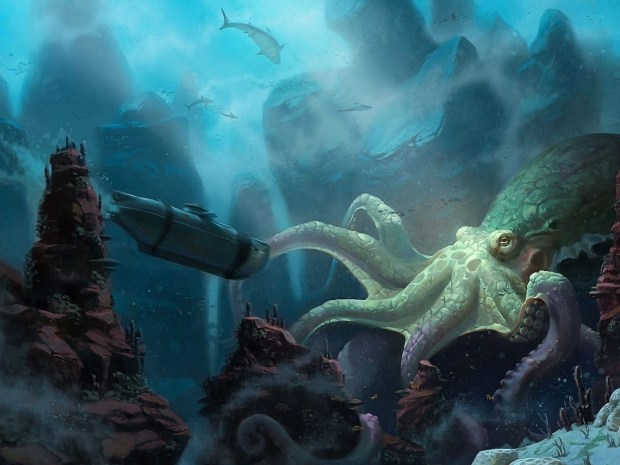
20,000 leagues under the sea

Having started “20,000 leagues under the sea”, watched “Aquaman”, “Jaws” & “Blue Planet-the deep” all in the space of 2 days ~ it’s no surprise when I started dreaming of being violently flung about on a boat swept by ominous looking black waves. 🌊

My phone was sliding around on deck, and I had just managed to catch it in one hand with triumph- only to discover my 2 companions were sinking under the tide (we were on our way to attend a party.) Needless to say, I arrived at the party without them… though I did give all my best efforts searching around, it turned into an affair like “The Great Gatsby”, they had different personas and were trying their best to evade me…

I’ve always been intrigued with creatures deep under the ocean. Their bulbous eyes and sharp teeth, their luminescent, transparent bodies, their spongy blob like exteriors… stuff out of nightmares…(which, I love calling up on the projector to show my students just to see their reaction!)

They say an iceberg is largely 3/4 under the surface. There are things below those tranquil waters that are beyond our imagination, and will still continue to lie unobserved.

So when the ‘Nautilus’ arrives and causes havoc in the seas around the world, it’s not hard that it could be mistaken for a narwhal or a cross between a whale/sea unicorn with its impenetrable exterior. It raises panic enough that the best captains rally and send forth a ship ready to capture, and, sadly slaughter this troublesome creature…Only to realise, it’s not a beast at all coming forth from the depths, but indeed a vessel, captained by none other than the infamous Captain Nemo. At this point our 3 protagonists have nothing else to do but sit, wait, and be carried along in an adventure like no other (since they’ve seen too much to be allowed to return home to dry land.) 🙄

Captain Nemo lets our guests into many secrets about the creation of his vessel (as surely it defies science), but we know this is only the beginning. If it’s anything like “5 weeks in a balloon”, I know that there will be no shortage of crazy events, the possible harpooning of sea spiders and giant squids, oxygen shortage, walking on the ocean bed and many, new discoveries.

And…if it’s anything like Dr Ferguson, Kennedy & faithful Joe- hanging onto the last trimmings of their damaged hot air balloon, shot at by arrows above enemy waters and praying to be saved~ we can only hope this Parisian professor & his friends get back safely (along with the unsuspecting sea creatures that cross their path!)

Robin Hood ~ the return of a legend?

I’ve probably analysed all adaptions to death in my previous post, but here’s another update! (This doesn’t help the ‘nerd’ image in the slightest…)

*spoiler alert*

So what comparisons can we make?

This movie takes the darkness of the Russell Crowe version, combined with the humour of the TV show (Marian looks the spitting image of Lucy Griffiths). It delivers the action, the evil, and combines it with a lot of assassins creed. Riding horseback over rooftops, shooting 100 arrows a second, their modern outfits, buildings that look more eastern than medieval 🏰 … we know how unrealistic this is going to be, but that’s also what keeps us riveted to the screen. It isn’t going to be accurate. But we also know that RH didn’t exist in his ‘current form.’ RH is a great bowman, (my jealousy knows no bounds) and if nothing else, it’s good to have a heroic figure to believe in.

John takes over Azeem’s role in ‘Prince of thieves’, that of mentor and companion, Will Scarlet actually becomes the new sheriff (bet you didn’t see that coming!) There is no gang, at least not without a beginning and each has a story to tell. The dynamics have shifted between them, and they’re not the beloved characters you remember them to be.

The concept of RH to me isn’t just the rich robbing to give to the poor. It’s about the idea of justice, of doing what’s right, and caring for those around you. It might seem two dimensional, (he is a killer, and surely has done some terrible things during the crusades. Isn’t stealing from the law equally as deplorable?) But to this day, and what makes it such a popular legend to portray, is that it shares some important qualities~ of staying loyal (Robin & Marian throughout the time he’s at war), of friendship (in this case striking a bond with those you fight/ work alongside and having a common cause), fairness and sacrifice- death seems but a notion, if its fighting for what you believe in/ those you love.

Yes all versions have a bleak view on the corruptness of the church. The crusades were dark, horrific times and nothing is pretty about heads being lopped off, or peppered by a thousand arrows. They fight for a cause directed by another’s hand and it’s only upon his return home does RH realise the corrupt villains at his own door.

So isn’t he justified in taking action? To strike at the root of evil? No matter what face he wears over the years, he represents an ‘idea’, to stand up against tyranny.

All along it seems a tug of war between RH and the sheriff, of deception, both equally dependent on the other. So it’s interesting to see their relationship throughout the process.

For this movie, RH keeps his personae as robin of Loxley (rich Lord of the Manor) as well as his doppelgänger Robin of the hood. His disguise is never doubted and the sheriff trusts him all too easily. Which is what makes it so intriguing. You’re always waiting for that moment when he’ll be found out.

So what if you found a role reversal, with RH as the villain, the sheriff as compassionate, albeit flawed man caught between his duty & personal affairs who isn’t fixated on capturing Robin Hood at all but merely surviving and protecting his family-what then? 🤔

Overall, it did fulfill what I can only describe as the RH ‘criteria’ and pay homage to the essence of what he represents. The true core of it stays the same, no matter how modern or glitzily revamped the adaptations are. It’s easy to be a critic of the movie, but the reason it stays in people’s minds is down to one thing. Whether he existed or not, he’s been turned into a household name that inspires courage and imagination through the years … and that’s the true legend of Robin Hood.

~ ‘Perfume’ the story of a murderer~

perfume

Jean Baptiste Grenouille is a name not easy to forget. His unique job is to obtain, categorize, replicate and produce his very own human scent beyond the realms of scientific discovery. To me, the concept in itself was captivating….

“Odours have a power of persuasion stronger than that of words, appearances, emotions, or will. The persuasive power of an odour cannot be fended off, it enters into us like breath into our lungs, it fills us up, imbues us totally. There is no remedy for it.”

Jean Baptiste is an orphan with no undefinable human smell which isolates him from society. His rare talent of pin pointing exact components, from brass doorknobs, wood, decaying fruit allows too him to pursue his passion. Under the guidance of the best perfumers in the world (through trickery, cunning or just brute honestly he manages to secure a place with them. It shows how unlucky Jean Baptiste is however- whoever he encounters meet their own sticky ends, which you could argue contributes to the author’s humour.) This cunning, yet seemingly straight forward character is able to combine and create his own ‘bottled’ scents with the single purpose of exciting disgust, or adoration from the general public.

Since the realm of scent is so understated (and I as one would admit to having just an average capability of smell, and eye-sight for that matter!) as we are able to create images from words, wonderful pieces of art, music- he can draw upon any scent in the world and strip it down to its bare elements not only to simply ‘recreate’ something he smelt only once, but create something new, unexpected. Quite inspiring really. But let’s not stop there.

As he grows older, his existence becomes almost animistic. “No longer distracted by anything external, he basked in his own existence and found it splendid.” He lives alone in a cave for many, long years, sustained by nothing but his ‘memory’ of lifelong scents, one day alone of which would drive any sane person mad, but not he. It becomes an obsession that overtakes even daily needs, an obsession which drives him to murder, again and again.

Grenouille knew for certain that unless he possessed this scent, his life would have no meaning.”

In fact, the novel is abundant with disgusting imagery of blood and decay, and most significantly, the perverse. He is systematic and logical, feeling no remorse for his actions and yet you sway between horror and desire to see him reach his goal of obtaining the ‘optimum’ scent – which by the way he does by killing all the beautiful girls in the city and embalming their skin.

I found the writing style to be witty, and fresh. Overall, I read this book in a few days and was really interested to read more of Patrick SĂźskind’s works. Though I had seen the movie originally and remembered liking it, it had definitely changed and diminished in my eyes after reading the novel. Nothing can be expressed better than through the author’s own words and intended voice, humour, tone, and ‘Perfume’ is no exception.

{The novel was originally written in German entitled ‘Das Parfum‘ in 1985, later translated and made into a film in 2006}

*Sneak Peak!* My Book Cover

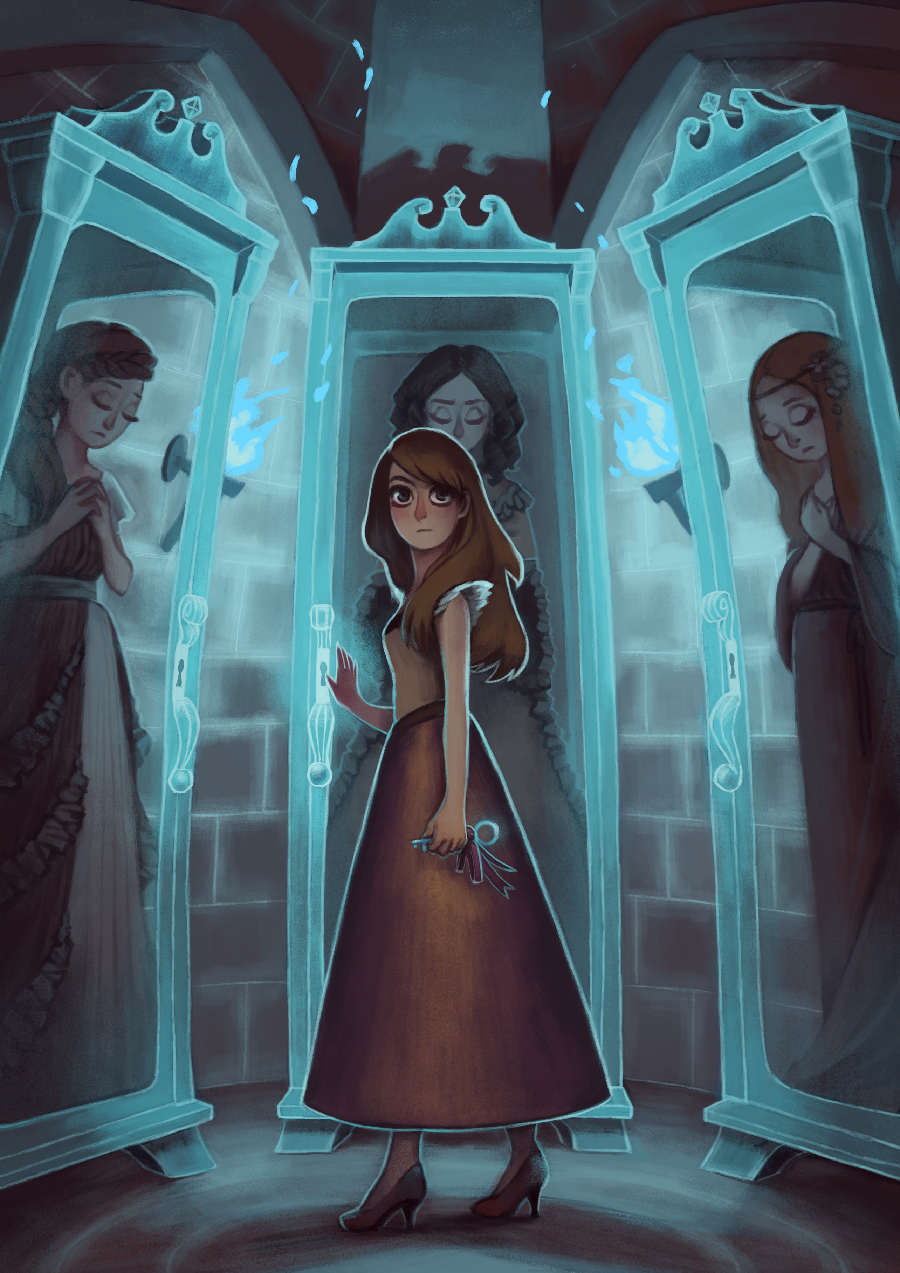
cover final_s (1)Thanks to the very talented Bonnie for my wonderful book cover design! The novel is called “Caskets of Ice”.

If you have any questions, or think I should release a preliminary chapter (or two!) out into the blog- world, then please feel free to comment below! Here is a link to Bonnie’s page so you can check out her other illustrations and general awesomeness:

http://bonniepang.weebly.com/

swirl-divider4

~The Shadow of the Wind~ Review

img_1424“Every book, every volume you see here, has a soul. The soul of the person who   wrote it and of those who read it and lived and dreamed with it…” 

Carlos Ruiz Zafon is a very crafty storyteller. A multi-layered, multi dimensional story within a story that spans across many generations. Just when you think that you can go no further in the depths of mystery and intrigue, there is yet another layer that draws you deeper.
Having been such a fan of “The Book Thief”, I thought I would read anything that told of misunderstood writers, the discovery lost books in carnivorous libraries, shrouded in an air of mystery and adventure. It falls under both these genres, and more as a thriller; and in part, a romance. It tells of the depths of revenge, and just how extensively hatred can corrupt a person over time.

Wow, what can I say. Days of being hooked on this book- glued, obsessed, devouring it (insert any adjectives to describe) all the while fearing I would go blind from the amount of binge reading I was doing.
The story begins with a father taking his son to the cemetery of forgotten books, and how a boy, feeling the weight of a thousand voices speaking to him, bonds with the book “The Shadow of the Wind.” In this cemetery of forgotten books, it is said that a person is destined to find the one that will form a deep connection with themselves. The protagonist soon discovers he must unravel the mystery that surrounds the book, and the countless characters that pass its pages-which start to materialise in his reality.
There are many parallels in the novel. The life of Julian Carax, the writer of the mysterious books, “The Shadow of the Wind” being one of many; and the main protagonist, Daniel Sempere. It is no doubt a coming of age story, taking the reader along Daniel’s journey from boy to adulthood. I had a certain relish in reading from a male protagonist’s point of view (probably because the main characters in my current stories tend to be female)

As a writer and a die hard book-worm, there is nothing about this novel that doesn’t draw me in. But at the start, I confess, it took me a while to truly fall in love with the book. I was intrigued with the theme and the plot line, for I knew they were something I was interested in. I even started it a while back, and put it down amidst countless distractions. But it pays to be patient.
The style is fresh and poetical, with some really beautiful descriptions of setting. But most of all, I enjoyed the humour of Fermin Romero de Torres, a homeless man whom Daniel befriends one night, and later recruits to work at his father’s bookshop. He provides much needed comic relief to what is otherwise quite a heavy, and dark narrative; he is loyal, a perfect companion. In contrast to Fermin, is Javier Fumero, a corrupt police office and the antagonist of the novel. He murders without remorse and holds an  irrefutable grudge towards Fermin and Julian Carax… spoilers aside, I will share some of my favourite quotes:

“Books are mirrors: you only see in them what you already have inside you.”

“I heard a regular customer say that few things leave a deeper mark on a reader than the first book that finds its way into his heart. Those first images, the echo of words we think we have left behind, accompany us throughout our lives and sculpt a palace in our memory to which, sooner or later—no matter how many books we read, how many worlds we discover, or how much we learn or forget—we will return.”

One of my all time favourite: “Every book, every volume you see here, has a soul. The soul of the person who wrote it and of those who read it and lived and dreamed with it. Every time a book changes hands, every time someone runs his eyes down its pages, its spirit grows and strengthens.”

This novel is like a dedication for those who appreciate books and reading. I couldn’t get enough of it. So when I heard there was a sequel, (and a prequel, but they exist as separate narratives, without having to be read in order) I literally squealed in delight. Not to mention, there is always something romantic about a Spanish novel…

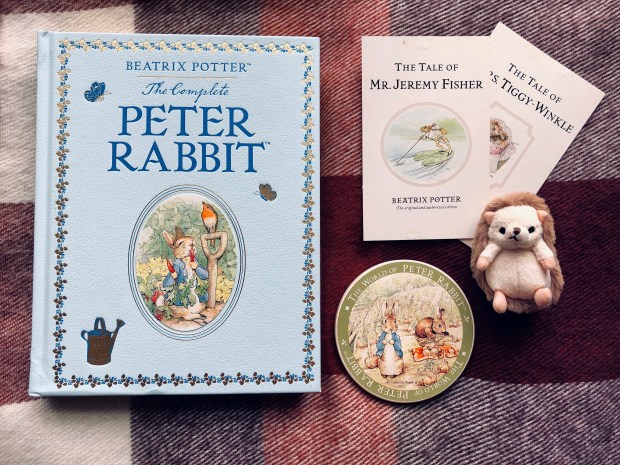
Recently I also finished: “The Age of Innocence” by Edith Wharton, “The Book of Lost Things” by John Connolly, “Burial Rites“by Hannah Kent and of course “The Shadow of the Wind.” Definitely a mixed bunch when it comes to plots & genres, but will ponder on whether there will be upcoming reviews on these in the future.

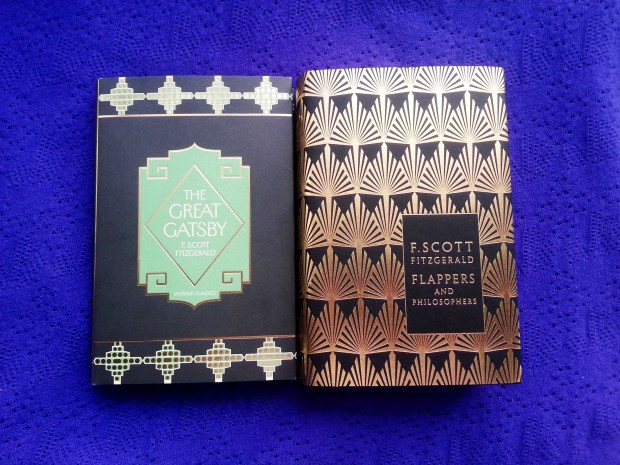
Further book reviews on F Scott Fitzgerald will come in due course…20150116_172356

swirl-divider4

A Happy Story

swirl-divider4

“So go on, tell me a story.”
I wish I knew how a happy story began. Instead I start with “it happened with the whispering folds of a satin curtain sliding down a staircase. I hid behind the library door as the rasping breath of the priest added to the dust expiring from the floorboards. Every cell of his body strained towards the silver signet ring that dangled tantalising from the bronze statue. He was consumed by desire, iris’s dilating as he imagined the power that would soon course through his veins…”
“This doesn’t sound promising.”
“Cindy can you stop interrupting me?” My seven year old cousin sighs. Her lips are pressed together in a disapproving smoulder, like a dried apricot.
“Once upon a time,” I try again “there was a girl who lived in a cottage, shrouded by a crab apple tree and a blue summerhouse, and a yellow rose bush that blocked out all light.” The beginning sounded crap but I hoped the faster I spoke, the less chance I would be interrupted by her majesty, the story critic Queen. “Sombre ideas flittering in her mind like dancing piano keys. She dreamed of a castle in the sky made entirely of ice crystals, where a figure in a black suit roamed the corridors carrying nothing but a candle, searching. Searching for someone at least, and until he found her, he would not rest. Now, when the light of dusk faded, the clouds shot fountains of ink like a canon, with lanterns to herald the-”
“Bored.”
“You hardly listened.”
“I just want a bedtime story.”
I take a deep breath. The bobbled underside of my slippers make a plastic squelch on the vinyl as I meander my way to the bookshelf, past crushed pizza boxes, phone charger wires and Fanta in sticky glass goblets. I yank a book viciously from the pile, fling it open and prod the black and white illustration with my index finger.
“There, the Blue Bird. It’s a great one.”
“I don’t want a Grimm’s fairytale. How old am I?”
“You tell me.” I try to match her sarcasm, but instead my eyes bulge like a dead fish as I try to maintain the wide eyed look of intimidation.
“Forget it. I’ll read myself.” She peels away the covers and vanishes from the room. I feel oddly cheated. And it is in this state of being pissed off that I drift to sleep curled like a python at the foot of the bed.

swirl-divider4

Copyright Š 2014 by Kate W J White (All Rights Reserved)

“Martin Chuzzlewit”- The Dark Horse of Dickens?

swirl-divider4Described by Dickens as “in a hundred points immeasurably the best of my stories”, we come to the 7th of his novels, “Martin Chuzzlewit.” Unfortunately, the general public didn’t seem to agree about it being the best, so it has always remained low profile.

You can argue it’s  natural and typical-an author’s pride, joy and dear baby never seems to be appreciated by others quite as much as they themselves do. So we can feel for Dickens.

1

Mr Pecksniff and old Mr Chuzzlewit

1) The themes explored in the novel include murder, satire, deception, selfishness, selfishness and more selfishness. (some are not very nice people).

2) The protagonist Martin travels to America to a colony situated in a swamp, he becomes very ill,  is at the brink of death and sinks into a period of ruin and despair. Despite his hardships, he becomes much improved by the time he returns to Britain, with the aid of his very optimistic and jolly friend Mark Tapley.

28bf47250c9a1ca0da28108e141216a8

3) It illustrates Dickens’s turning point towards the darker threads of human nature and refinement of his writing style, comparing the satire and humour of “Nicholas Nickleby” against his later novels such as “Tale of Two Cities”, “Our Mutual Friend”, “Great Expectations” and “Bleak House”. 

4) Dickens portrays America in a poor light; “deface the banner of the nation for an idle rag, pollute it star by star, and cut our stripe by stripe as from the arm of a degraded soldier.” Offensive to many of his American readers? It seems the novel and its characters are quite biased in regards to Dickens’s first visit to the country. He must have had a really bad experience….

Our Mentionable Characters:

  • Mr Pecksniff and his hypocrisy. He is a character you are itching to strangle. Even the online dictionary has an entry in his honour. Pecksniffery/Pecksniffian: adj- affecting benevolence or high moral principles.
mc9

Martin, Mr Pecksniff with his two daughters and Tom Pinch

  • The admirable Tom Pinch who puts others needs before his, humble and loyal. Everyone’s friend. You want to wrap him up in cotton wool and keep him safe. But without the juxtaposition of other villains and the unfair trials Tom must bear, his positive qualities cannot shine through.
  •  Martin is not the focus. He is weak minded, sometimes fickle and lacks a commanding personality despite his improvement later in the novel. An interesting question is how he is comparable to Dickens’s other protagonists?? Oliver Twist, David Copperfield, even Nicholas. (yes it has come to a point where I am on a first name basis with him)
  • Mrs Gamp. Described as a “drunken and verbose” nurse, she provides much comedic relief to the story. Honestly, the things she says hardly makes sense, but she is reliable and does her job well. That’s all we need to know.
22830s

Mrs Gamp immortalised on a stamp

5) Perhaps you need to be a die-hard fan to be motivated to finish this novel. It is quite wordy and so dedicated reading is a must, to pick up from where you left off. Maybe one day I will give it another chance from the beginning! Though it took me a lot longer to complete, nevertheless- I did enjoy it and will be sad when my collection of Dickens is finished! I console myself that there is yet “A Tale of Two Cities” to go…

Wind On Fire Series & Book signing!?

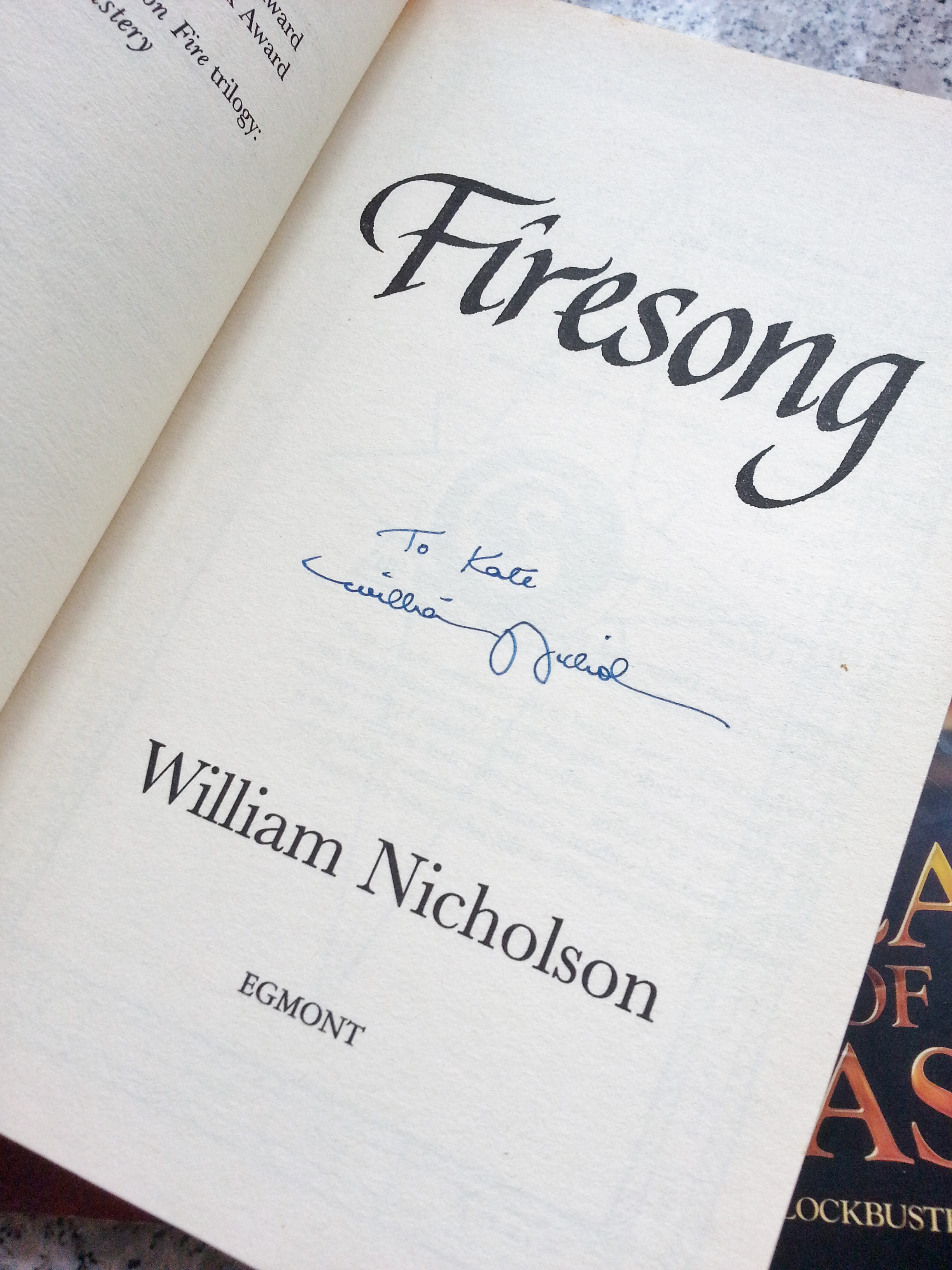
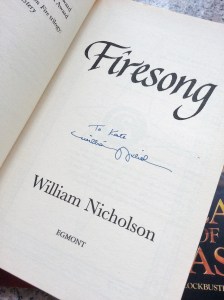
20140828_154226For us 90’s kids, this will bring back memories. Memories of fantasy trilogies, memories of Philip Pullman’s “His Dark Materials”

William Nicholson came to my secondary school for a casual book signing in yr 9- it seemed not many people had heard of him at the time and around 6 people showed up. (Me being the book nerd even then) I figured I was in the minority. He didn’t become my favourite teen author until some time after, so in hindsight, boy am I glad I went ~ Fan girl moment!~
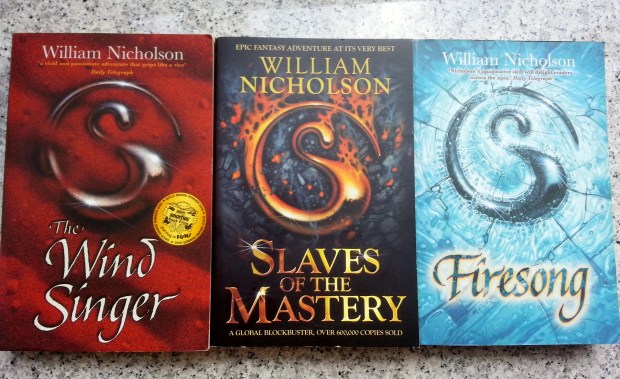
 

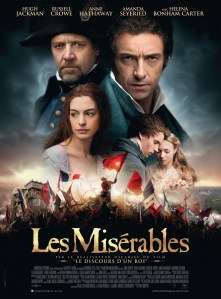
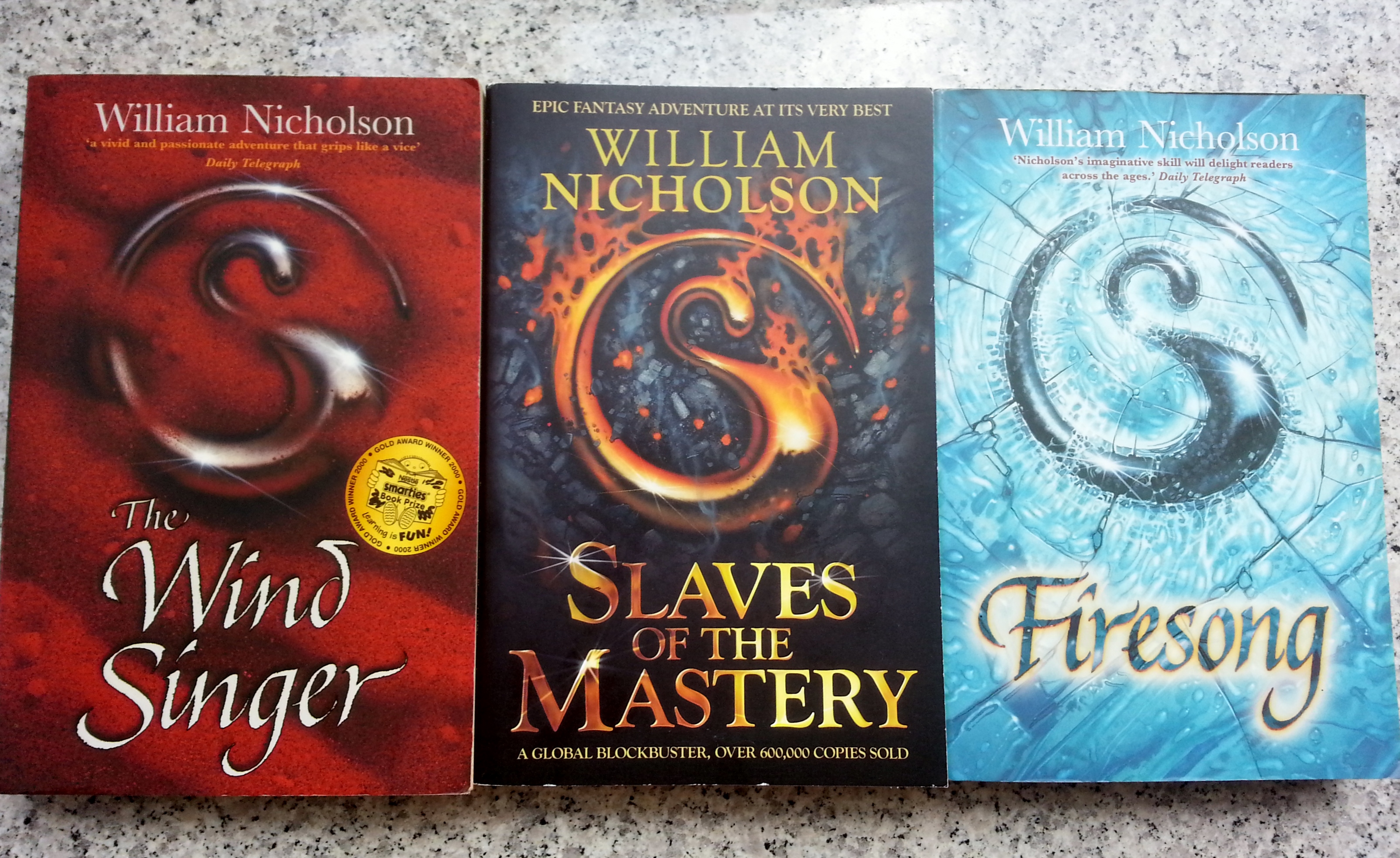
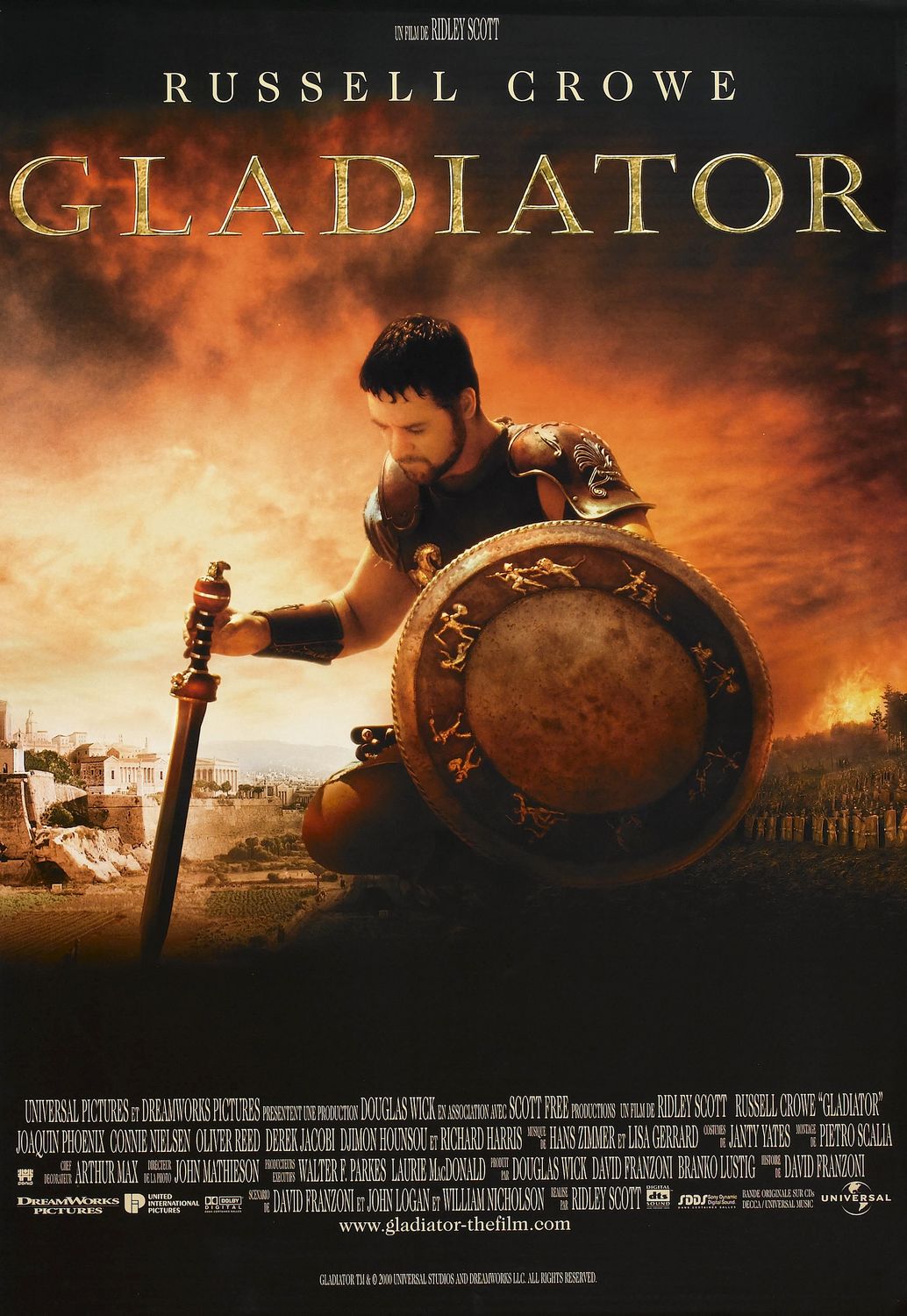
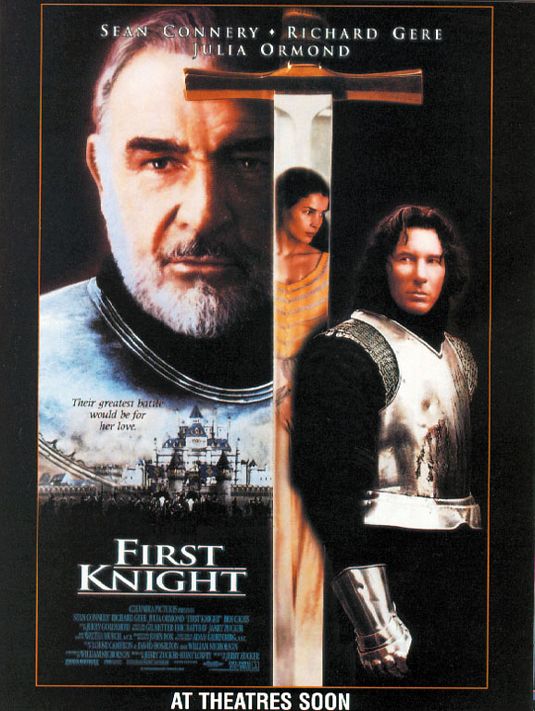
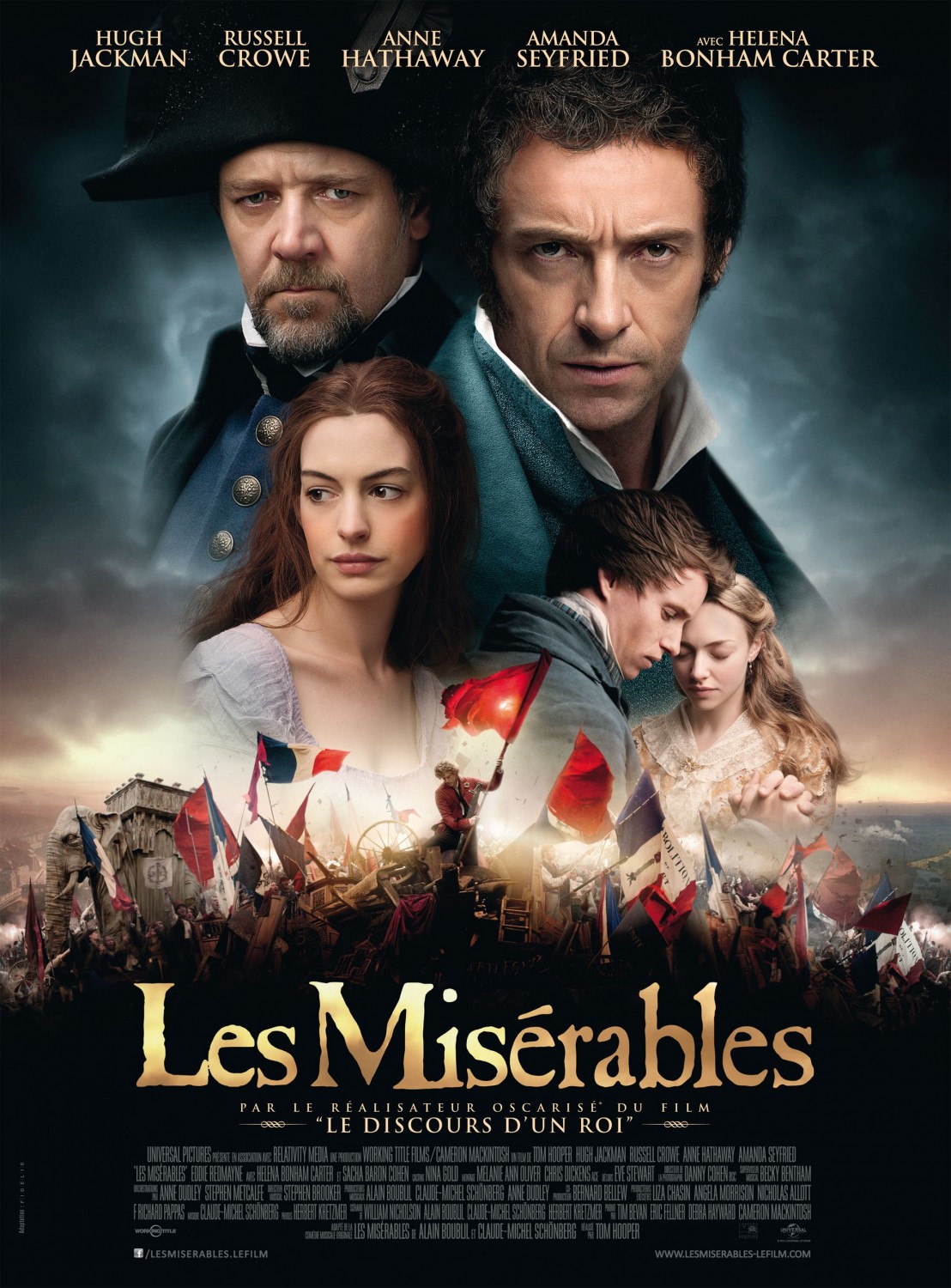
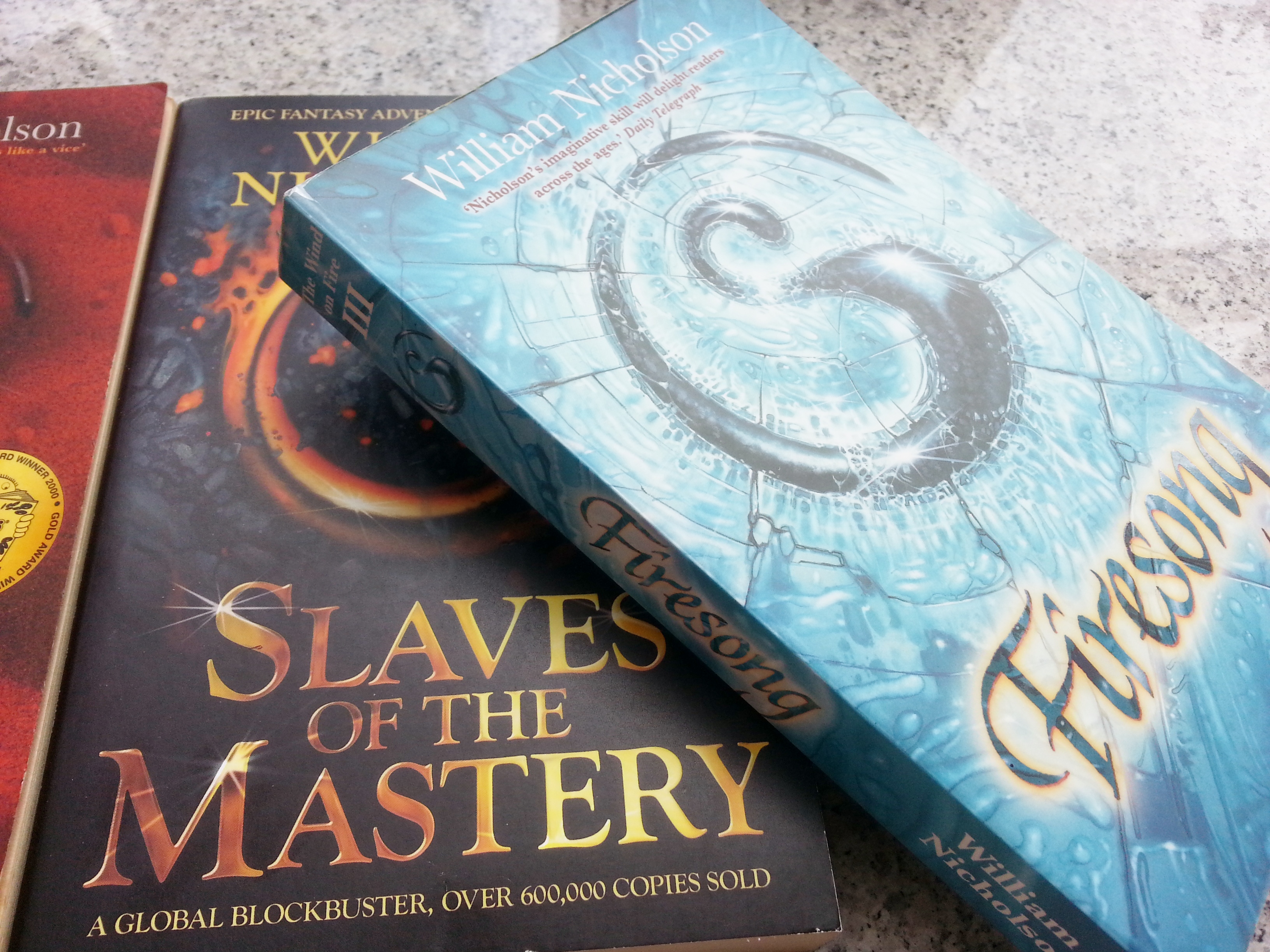
20140828_154214Each book in the trilogy is so different. They can exist independently, or as one long story. They leave you with a strange, dreamy feeling. It takes place in a world that could be our own. In an unknown country, a society tucked away; a city within a city, people so like us and yet live in under such different circumstances. It is this which is so appealing. William Nicholson has an amazing way of establishing a premise for his novels, a world with its own lore that provides a perfect escapism for the reader. In fact, reading the second novel “Slaves of the Mastery” you may think it shares many similarities with Gladiator, with the shadow of a coliseum, fights, spell binding dances and hard weary travelling through dusty terrain. And there’s a reason for this. Wait for it….the author is actually the screen writer for “Gladiator”, “Les Miserables” and “First Knight”.
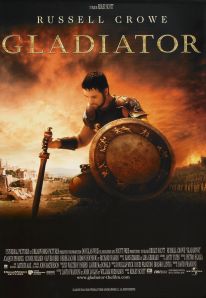
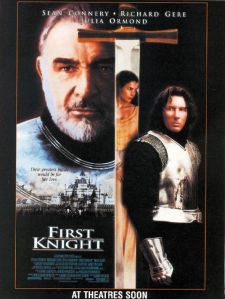
gladiator  first_knight les_miserables_ver11_xlg

So not only is he a screenwriter, but he’s also a playwright and novelist! However, something I wondered about- the trilogy was never made into a film. Though the books had the potential to be made for the big screens, I’m glad it wasn’t. There are so many books ruined by films that even the authors themselves have come to despise all that their hard work, sweat and passions had gone into. Of course, this isn’t ALWAYS the case.

So what happens in the books? Read on to find out…
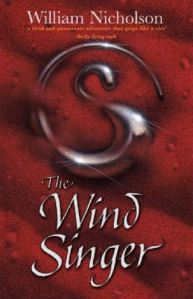
windsinger“The Wind Singer”

“In the walled city of Aramanth, exams are everything. When Kestrel Hath dares to revel, the Chief Examiner humiliates her father and sentences the whole family to the harshest punishment. Desperate to save them, Kestrel learns the secret of the wind singer and she and her twin brother, Bowman, set out on a terrifying journey to the true source of evil that grips Aramanth.”

They go underground and meet mud people, have desert battles aboard fierce ships swept by the winds, defeat an army of beautiful and captivating Zars bent on destroying all in their path, all the while trying to escape old children whose touch will turn them old and frail. So, a lot happens.

There is a five years gap between the first and the second book, and the twins (of about 10 or 11) are kids no longer…
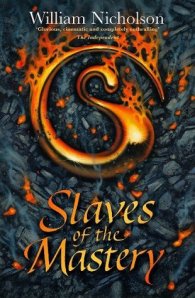
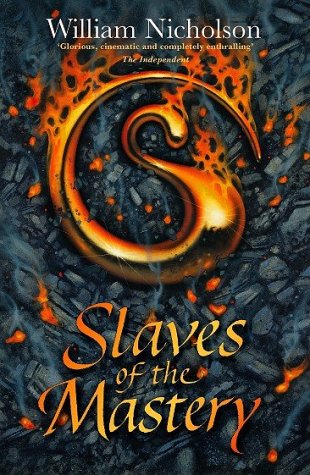
slaves of hte mastery

“Slaves of the Mastery”

“When the ruthless soldiers of the Mastery strike, the city is burned and its people are taken into slavery.” The twins Kestrel and Bowman are separated and she vows revenge. Kestrel is a spirited character, bold and energetic- a kid who never does what she’s asked and a bit of a trouble maker (as shown by the first book!) whereas her brother is quiet and reflective, and has astounding abilities of empathy. (and later, mind reading)  The characters have grown up, and are no longer children and you as the reader follow them on this journey. As action packed as the first book was, the second is on a larger scale, think Lord of the Rings with epic battles…

20140828_154237

“Firesong”
Now we get to the final instalment which is perhaps my favourite, though the most frustrating. The characters are in search of their homeland through ice – to face starvation, blizzards and kidnapping by bandits as well as encountering mind control. This book is a coming of age story, the young, happy go lucky kids in the first book are young adults now, who face very adult fears and concerns. Fear over losing a parent, of unattainable goals, of illness, death and sacrifice. They must all make important decisions.
It made me feel a range of emotions. When I first read it I wasn’t satisfied with the ending, it made me angry. But I think that’s the point of it. To make you feel a range of emotions, happiness, sadness, fear and anger; to think about your own life. The ending wasn’t perfect, and it took me a while to realise that was okay. That’s real life.

*SPOILER ALERT*

The most important thing I learnt from the ending was about faith. Bowman has a blind, almost spiritual faith to guide them to the homeland, a faith in the good of humanity and that good will defeat evil. Kestrel on the other hand, a sceptic from start to finish often has opposing views. She feels helpless and isolated when her brother slowly starts to distance himself from her.

So what initially confused me, is what does happens to Kestrel? It seems each character has a part to play and Kestrel realises she must sacrifice herself, in order to purge the world of the Morah- the evil that spreads across the land. It is through faith in the greater good. But, there is a part of her that lives in the mind of her twin brother, Bowman. I always had the idea that Kestrel and Bowman would remain together- they understood each other and were each a part of the other, with the ability to communicate without speaking. For some reason, the idea of them separating was heartbreaking, and at the time I didn’t understand why they would have to go through life independently, or even, why one had to go away.

20140828_154214

The plot lines are extremely memorable and unique, and very imaginative. SO much happens and yet it all links together perfectly and manages to maintain its simplicity. I imagine the books to represent the elements. The city of Aramanth in the first as earth, the second as fire and destruction, the third air and ice.
They are one of those books that become part of your childhood, growing up with a story that contributes to your concepts and your ideas and if powerful enough- actually form the basis of who you are/will be as an adult.

That’s why children’s and teen books are so important for providing a positive message.

So let me know what you thought of the books, if you have read them or would like to.

If you had 5 minutes with the author, what would you say, or ask?

swirl-divider4

Seeing the Invisible Man

swirl-divider4Some consider it to be the most important American novel of the twentieth century. “The Invisible Man” by Ralph Ellison is the Winner of the National Book Award for fiction and is no doubt powerfully written. So why is it so good?

1) The narrator begins by claiming “I am an invisible man. No, I am not a spook like those who haunted Edgar Allan Poe; nor am I one of your Hollywood-movie ectoplasms. I am a man of substance, of flesh and bone, fiber and liquids — and I might even be said to possess a mind. I am invisible, understand, simply because people refuse to see me….It is sometimes advantageous to be unseen, although it is most often rather wearing on the nerves.”

6686436955_2828ee05b6_z

INVISIBLE MAN Sculpture, Ralph Ellison Memorial, West Harlem, New York City

2) The Invisible Man (or IM as we shall call him for the sake of this review!) is frank, with clever antidotes. He has no name, but we learn as the reader to not only question his character, but also later-to trust the strength of his narrative voice. When I was reading this book at school, I felt I could relate to him.. He has dreams, and passions. He lays out all his flaws to the reader, allowing us to form our own opinions, of both character and events. Perhaps it is this which makes him appear so honest and easy to relate to.

'The Invisible Man' dress rehearsal at Studio Theatre

‘The Invisible Man’ dress rehearsal at Studio Theatre

3) IM is HIGHLY VISIBLE as an African American but invisible as an individual. Perhaps, TOO VISIBLE in a white dominated society. He is educated, a great public speaker and has inspiring thoughts on social responsibility- but in the eyes of others his race segregates him from his peers. It highlights the universal question on whether people see you for who you are inside or merely a stereotype, boxed into categories of race, class, gender. This is a prevalent theme throughout the novel.

4) We learn his views on resistance, which is important when you get to know a character. IM says, “hibernation is a covert preparation for a more overt action.” I just love this quote. Furthermore his grandfather’s advice is: in order to protect the truth you must tell them what they want to hear. The character of Dr Bledsoe says ‘play the game but don’t believe in it.’  It becomes apparent IM still intends on taking action, he does this by raising support from the people gradually through the power of words and intellect rather than the mass violence of ‘Ras the Exorter’.

il_340x270.552376021_j0gw

5) He encounters many form of racism in the novel. He is forced to fight at the start of the book, constantly humiliated and unjustly punished. The novel illustrates Racism on a public versus a personal level. The character of ‘Ras’ depicts the tension between the races. ‘Ras’ hates all whites, whereas IM, as part of the brotherhood respects that some are willing to help. When he starts to work at Liberty paints he sees the ingrained racism at the centre of its operations. The union members advocate the rights of the individual, however it raises hatred and hostility. You learn a lot about IM, his morality against adversary and the reader too develops with him on his journey.

6) It is a very inspiring book. In fact, out of all my years at uni; this has to be the one I enjoyed the most. The narrator is sympathetic. He feels like an old friend. I think this is important. At various points in the narrative, he may appear to be an underdog but you can guarantee he will turn words into action when the time comes. He inspires hope, he is ready to take action, channelling talent into usefulness and rules the mob. From the start he has a strong sense of moral justice, you can say it is this which keeps him motivated through the novel. He may be oppressed and taken advantage of in his early years, but be sure about it, he is able to FIGHT BACK.

Quotation-Ralph-Ellison-Invisible-Man-history-Meetville-Quotes-199614

7) At the end of the novel, he must destroy old life to be reborn. He manipulates the system, uses his invisibility to his advantage. “I was never more hated than when I tried to be honest”, but after a while, trying to please others didn’t work. It shows that he does not belong in society- he will always be judged by others because of his race and so decides to live on his own underground with his own thoughts and reflections to establish his own self identity.

“Without light I am not only invisible, but formless as well; and to be unaware of one’s form is to live a death. I myself, after existing some twenty years, did not become alive until I discovered my invisibility Without light I am not only invisible, but formless as well; and to be unaware of one’s form is to live a death. I myself, after existing some twenty years, did not become alive until I discovered my invisibility.” 

ralph_ellison

Ralph Ellison

8) To show how much I appreciated the book, I bought it twice. Crazy or not? But I wanted to keep a copy without annotations in, which I left behind. It is definitely good to have a hard copy to keep. The Times claimed it to be “one of the most important American novels of the twentieth century”. Regardless of whether this is true or not- it is definitely a novel worth reading, and I’m inclined to agree with them…

9) So let me leave you with this:

“Ralph Ellison’s blistering and impassioned first novel tells the extraordinary story of a man invisible ‘simply because people refuse to see me’. Published in 1952 when American society was on the cusp of immense change, the powerfully depicted adventures of Ellison’s invisible man- from his expulsion from a Southern college to a terrifying Harlem race riot- go far beyond the story of one individual. As John Callahan says ‘in an extraordinary imaginative leap, he hit upon a single word for the different yet shared condition of the African Americans, Americans and, for that matter, the human individual in the twentieth century, and beyond.’”

OLYMPUS DIGITAL CAMERA

Ralph Ellison Monument

“Northanger Abbey”~ Let’s talk Austen!

Felicity-Jones-Northanger-Abbey-felicity-jones-16178818-2560-1414Northanger Abbey is notably a coming of age story. So can the protagonist Catherine be considered an inspiring heroine?

“Catherine Morland, a quixotic young woman who sees things through the distorted lens of the Gothic novel, must grow out of that illusion. In doing so, she follows the trajectory typical of all true novels: she moves from innocence to experience. Catherine must change, she must react to life and become, by the end of her story, another person”- from the introduction by Alfred Mac Adam.

So what does this book teach you? That reading too many Gothic novels leaves you unprepared for the real world? That you ought to look out for ‘false friends’? That you shouldn’t make too many presumptions about other people, especially their parents- which can lead you into a lot of trouble?

If you have ever felt frustration, you will relate to this novel in some degree. The amount of times Catherine is stopped in pursuing a path, or keeping a promise, or thwarted in her plans is truly frustrating. It is definitely something the modern reader can empathise with, when often good intentions do not turn out quite as you expect.

ohIx07TMmRpcIopv32ex7mwi9Ra

Henry Tilney & Catherine Morland

It has a simple storyline, it is humorous, satirical and mysterious. Catherine is a romantic girl and dreams about things that, let’s face it- are unlikely to happen in real life, hence she is often disappointed. She is young, but also (another country girl comparable to Dickens’s Nicholas Nickleby) a moral character. If she has done wrong or made a mistake, she will do all she can to remedy it, no matter pride or the consequence. In this light, it makes her a likeable character.

“She mediated, by turns, on broken promises and broken arches, phaetons and false hangings, Tilneys and trap-doors.” 

Northanger Abbey - Lismore Castle

Northanger Abbey – Lismore Castle

The story details Gothic castles, suspicious looking chests, locked rooms and mysterious notes. Definitely something for the lovers of Gothic fiction. However Catherine’s romantic fancies lead her to some dramatic conclusions and she must learn to not only respect the feelings of others but also to atone for her mistakes- especially to those she has come to love.

I have known people to say they do not like this novel. It is perfectly fine, because Jane Austen isn’t everybody’s cup of tea. So what do other famous authors think of her? Charlotte Bronte resented what she called Austen’s lack of sentiment, “I should hardly like to live with her ladies and gentlemen, in their elegant but confined houses.”  Mark Twain went even far as to say “Everytime I read ‘Pride and Prejudice’ I want to dig her up and beat her over the skull with her own shin-bone..” Wow…steady on there Twain! Let’s just agree that all novels (and authors) have their merits eh!

tumblr_lirvaxmFCM1qelclno1_500

On a more positive note, Penguin calls Northanger Abbey the ‘most youthful and optimistic’ of Jane Austen’s romances. Perhaps because it is fun, light hearted and a comparatively short novel; different to some of her other perhaps more universally liked works, such as “Sense and Sensibility” or “Emma”. But there is something reliable in the unlikely 17yr old heroine Catherine. She has a good heart and means well, thrust into an adventure she could little foresee.  As Alfred Mac Adam claims, she matures as the novel progresses, changing her view on life, but most importantly, of herself as a person. It is something we as readers can definitely relate to as we follow her journey.