Seeing the Invisible Man

swirl-divider4Some consider it to be the most important American novel of the twentieth century. “The Invisible Man” by Ralph Ellison is the Winner of the National Book Award for fiction and is no doubt powerfully written. So why is it so good?

1) The narrator begins by claiming “I am an invisible man. No, I am not a spook like those who haunted Edgar Allan Poe; nor am I one of your Hollywood-movie ectoplasms. I am a man of substance, of flesh and bone, fiber and liquids — and I might even be said to possess a mind. I am invisible, understand, simply because people refuse to see me….It is sometimes advantageous to be unseen, although it is most often rather wearing on the nerves.”

6686436955_2828ee05b6_z

INVISIBLE MAN Sculpture, Ralph Ellison Memorial, West Harlem, New York City

2) The Invisible Man (or IM as we shall call him for the sake of this review!) is frank, with clever antidotes. He has no name, but we learn as the reader to not only question his character, but also later-to trust the strength of his narrative voice. When I was reading this book at school, I felt I could relate to him.. He has dreams, and passions. He lays out all his flaws to the reader, allowing us to form our own opinions, of both character and events. Perhaps it is this which makes him appear so honest and easy to relate to.

'The Invisible Man' dress rehearsal at Studio Theatre

‘The Invisible Man’ dress rehearsal at Studio Theatre

3) IM is HIGHLY VISIBLE as an African American but invisible as an individual. Perhaps, TOO VISIBLE in a white dominated society. He is educated, a great public speaker and has inspiring thoughts on social responsibility- but in the eyes of others his race segregates him from his peers. It highlights the universal question on whether people see you for who you are inside or merely a stereotype, boxed into categories of race, class, gender. This is a prevalent theme throughout the novel.

4) We learn his views on resistance, which is important when you get to know a character. IM says, “hibernation is a covert preparation for a more overt action.” I just love this quote. Furthermore his grandfather’s advice is: in order to protect the truth you must tell them what they want to hear. The character of Dr Bledsoe says ‘play the game but don’t believe in it.’  It becomes apparent IM still intends on taking action, he does this by raising support from the people gradually through the power of words and intellect rather than the mass violence of ‘Ras the Exorter’.

il_340x270.552376021_j0gw

5) He encounters many form of racism in the novel. He is forced to fight at the start of the book, constantly humiliated and unjustly punished. The novel illustrates Racism on a public versus a personal level. The character of ‘Ras’ depicts the tension between the races. ‘Ras’ hates all whites, whereas IM, as part of the brotherhood respects that some are willing to help. When he starts to work at Liberty paints he sees the ingrained racism at the centre of its operations. The union members advocate the rights of the individual, however it raises hatred and hostility. You learn a lot about IM, his morality against adversary and the reader too develops with him on his journey.

6) It is a very inspiring book. In fact, out of all my years at uni; this has to be the one I enjoyed the most. The narrator is sympathetic. He feels like an old friend. I think this is important. At various points in the narrative, he may appear to be an underdog but you can guarantee he will turn words into action when the time comes. He inspires hope, he is ready to take action, channelling talent into usefulness and rules the mob. From the start he has a strong sense of moral justice, you can say it is this which keeps him motivated through the novel. He may be oppressed and taken advantage of in his early years, but be sure about it, he is able to FIGHT BACK.
Quotation-Ralph-Ellison-Invisible-Man-history-Meetville-Quotes-199614

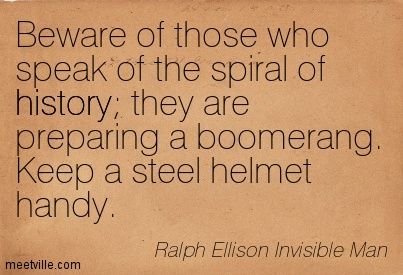
7) At the end of the novel, he must destroy old life to be reborn. He manipulates the system, uses his invisibility to his advantage. “I was never more hated than when I tried to be honest”, but after a while, trying to please others didn’t work. It shows that he does not belong in society- he will always be judged by others because of his race and so decides to live on his own underground with his own thoughts and reflections to establish his own self identity.

“Without light I am not only invisible, but formless as well; and to be unaware of one’s form is to live a death. I myself, after existing some twenty years, did not become alive until I discovered my invisibility Without light I am not only invisible, but formless as well; and to be unaware of one’s form is to live a death. I myself, after existing some twenty years, did not become alive until I discovered my invisibility.” 

ralph_ellison

Ralph Ellison

8) To show how much I appreciated the book, I bought it twice. Crazy or not? But I wanted to keep a copy without annotations in, which I left behind. It is definitely good to have a hard copy to keep. The Times claimed it to be “one of the most important American novels of the twentieth century”. Regardless of whether this is true or not- it is definitely a novel worth reading, and I’m inclined to agree with them…

9) So let me leave you with this:

“Ralph Ellison’s blistering and impassioned first novel tells the extraordinary story of a man invisible ‘simply because people refuse to see me’. Published in 1952 when American society was on the cusp of immense change, the powerfully depicted adventures of Ellison’s invisible man- from his expulsion from a Southern college to a terrifying Harlem race riot- go far beyond the story of one individual. As John Callahan says ‘in an extraordinary imaginative leap, he hit upon a single word for the different yet shared condition of the African Americans, Americans and, for that matter, the human individual in the twentieth century, and beyond.’”
OLYMPUS DIGITAL CAMERA

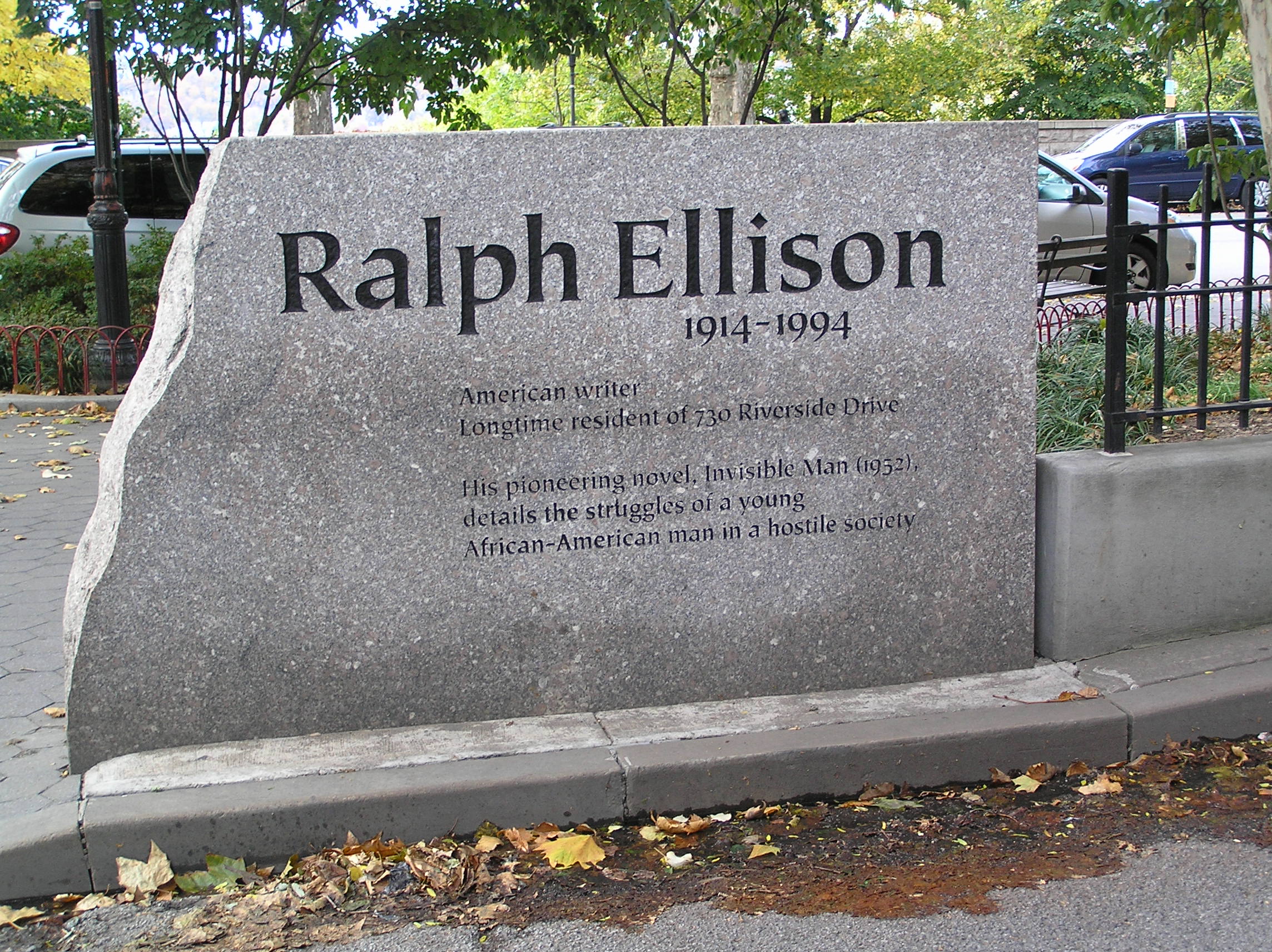
Ralph Ellison Monument
“Northanger Abbey”~ Let’s talk Austen!

Felicity-Jones-Northanger-Abbey-felicity-jones-16178818-2560-1414Northanger Abbey is notably a coming of age story. So can the protagonist Catherine be considered an inspiring heroine?

“Catherine Morland, a quixotic young woman who sees things through the distorted lens of the Gothic novel, must grow out of that illusion. In doing so, she follows the trajectory typical of all true novels: she moves from innocence to experience. Catherine must change, she must react to life and become, by the end of her story, another person”- from the introduction by Alfred Mac Adam.

So what does this book teach you? That reading too many Gothic novels leaves you unprepared for the real world? That you ought to look out for ‘false friends’? That you shouldn’t make too many presumptions about other people, especially their parents- which can lead you into a lot of trouble?

If you have ever felt frustration, you will relate to this novel in some degree. The amount of times Catherine is stopped in pursuing a path, or keeping a promise, or thwarted in her plans is truly frustrating. It is definitely something the modern reader can empathise with, when often good intentions do not turn out quite as you expect.

ohIx07TMmRpcIopv32ex7mwi9Ra

Henry Tilney & Catherine Morland

It has a simple storyline, it is humorous, satirical and mysterious. Catherine is a romantic girl and dreams about things that, let’s face it- are unlikely to happen in real life, hence she is often disappointed. She is young, but also (another country girl comparable to Dickens’s Nicholas Nickleby) a moral character. If she has done wrong or made a mistake, she will do all she can to remedy it, no matter pride or the consequence. In this light, it makes her a likeable character.

“She mediated, by turns, on broken promises and broken arches, phaetons and false hangings, Tilneys and trap-doors.” 

Northanger Abbey - Lismore Castle

Northanger Abbey – Lismore Castle

The story details Gothic castles, suspicious looking chests, locked rooms and mysterious notes. Definitely something for the lovers of Gothic fiction. However Catherine’s romantic fancies lead her to some dramatic conclusions and she must learn to not only respect the feelings of others but also to atone for her mistakes- especially to those she has come to love.

I have known people to say they do not like this novel. It is perfectly fine, because Jane Austen isn’t everybody’s cup of tea. So what do other famous authors think of her? Charlotte Bronte resented what she called Austen’s lack of sentiment, “I should hardly like to live with her ladies and gentlemen, in their elegant but confined houses.”  Mark Twain went even far as to say “Everytime I read ‘Pride and Prejudice’ I want to dig her up and beat her over the skull with her own shin-bone..” Wow…steady on there Twain! Let’s just agree that all novels (and authors) have their merits eh!

tumblr_lirvaxmFCM1qelclno1_500

On a more positive note, Penguin calls Northanger Abbey the ‘most youthful and optimistic’ of Jane Austen’s romances. Perhaps because it is fun, light hearted and a comparatively short novel; different to some of her other perhaps more universally liked works, such as “Sense and Sensibility” or “Emma”. But there is something reliable in the unlikely 17yr old heroine Catherine. She has a good heart and means well, thrust into an adventure she could little foresee.  As Alfred Mac Adam claims, she matures as the novel progresses, changing her view on life, but most importantly, of herself as a person. It is something we as readers can definitely relate to as we follow her journey.

“The Old Curiosity Shop”: A Strange and Moving Tale

swirl-divider4

This spiritual tale is Dicken’s 4th after “Nicholas Nickleby”.

“Dark and dream-like, The Old Curiosity Shop is filled with unforgettable, grotesque characters: Quilp, a demonic dwarf who eats eggs in their shells and drinks boiling rum, a loving grandfather with a terrible gambling addiction, frail but loving Nell and her wicked brother Frederick, corrupt, abusive lawyer Sampson Brass and good hearted hero Kit Nubbles. Famously one of Dickens’s most moving tales, The Old Curiosity Shop is also one of his strangest and most memorable.”

Scan 18

1) I really enjoyed the book, it was partly this edition too (Penguin English Library) that started my more dedicated reading of his lesser known novels.

2) It is a tragic story of young, loving Nell who escapes from the inner city of London with her grandfather to take refuge in the English countryside. There is great juxtaposition between Dickens’s vivid descriptions of  the city versus that of the quiet solitude they experience on the road out of London. It is not hard to understand why the grandfather would develop a paranoia that they are constantly being chased and have to move on, further, quicker to their journey’s end.

3) The reason for their flight is due to- Daniel Quilp. Seen as one of Dickens’s most evil villains- a devilish dwarf who abuses his wife and terrifies everyone around him. He is controlling and takes sadistic pleasure in the suffering of other people. Nell’s grandfather borrows money off him, and naturally Quilp uses this to his advantage. He takes control of the old man’s property (the curiosity shop) upon his illness…in fact, there is nothing Quilp won’t do…as you will find out.

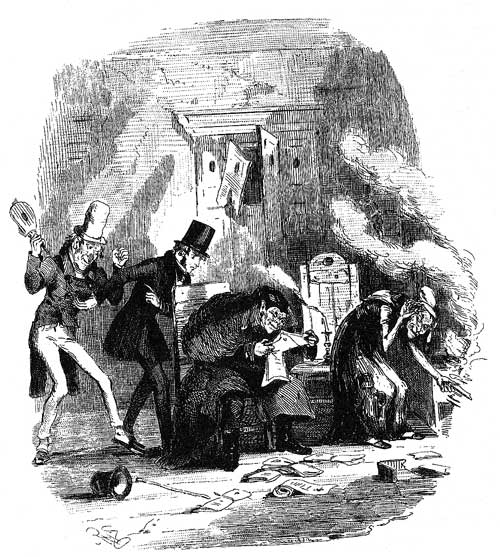
4

4) This illustration pretty much sums it all up. Quilp cackling away in a corner, delighting in terrifying people while Nell’s grandfather hides his head in despair; while poor, loving Nell comforts him.

5) When you read the novel, you have a feeling the end will be tragic. It is believed the inspiration of little Nelly Trent is from Dickens’ sister-in-law, Mary Hogarth. When she died in 1837 at the age of 17 he was heartbroken. He wore a ring of Mary’s the rest of his life, and wanted to be buried in the same grave as her upon his death.

6) “Then, on it came again, silent and stealthy as before, and replacing the garments it had taken from the bedside, dropped upon its hands and knees, and crawled away. How slowly it seemed to move, now that she could hear but not see it, creeping along the floor! It reached the door at last, and stood upon its feet. The steps creaked beneath its noiseless tread, and it was gone.” – This has to be one of the most nightmarish images in a Dickens book. I could just imagine a hunchbacked creature with spindly legs stealthily crawling about my room at night – right out of a horror film. Of course what makes it worse is this ‘creature’ Nell sees stealing money from her room is no other than her own grandfather.

the_old_curiosity_shop-large

Kit is taught by Nell in the old curiosity shop

7) The character of loyal and endearing Kit Nubbles creates a contrast against Quilp and the scheming lawyer Sampson Brass.  He is dedicated to the well being of his family and loves little Nell dearly. Quilp hates him with a passion, resenting his dedication to the family, taking great pains to destroy the boy. He even has a wooden figure head put up in his home to represent Kit, which he defaces and attacks at every given chance. Poor Kit!

8) The novel is definitely dreamy and dark, and as the summary makes reference to, is no doubt one of Dicken’s strangest and most memorable novels. It exists in a little sphere of its own – existing in a snow globe.

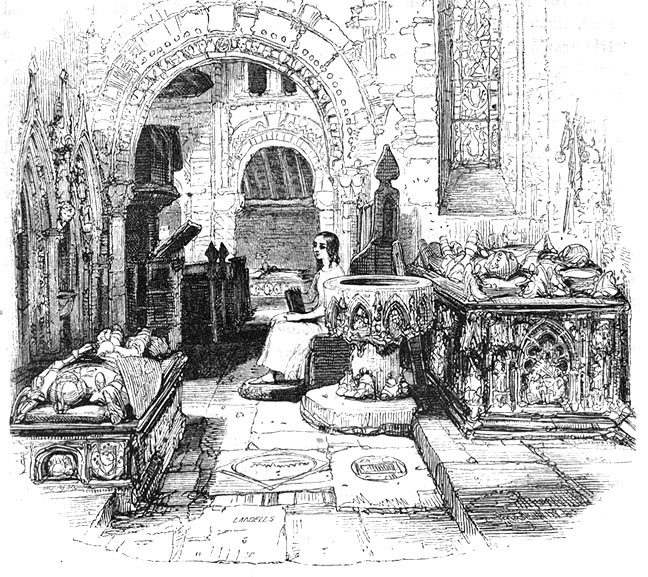
nell takes comfort among the tombstones

Nell takes comfort among the tombstones

9) Nell’s innocence is corrupted by her grandfather’s gambling addiction…weeks of weary travel and they are reduced to beggars. This no doubt affects her health.  She is often described as an angel, a little girl who takes comfort among the tombstones, appreciating the stillness and the quietude of the nature around her. Strangely her character is not as well developed as you might hope , and does not appear too often as the main protagonist.

10) I’m a big fan of illustrations in Dickens. There are great illustration per chapter in this edition which really brings the narrative to life.

Overall, the book was enjoyable and one of the first I finished before I began the idea of writing a review on Dickens. I really recommend “The Old Curiosity Shop” for those who are just starting on Dickens and want one of his lighter books to read. It is a touching story and one that you will remember for a long time afterwards…

“Nicholas Nickleby”: A Tale of Satire

swirl-divider4“I shall never regret doing as I have—never, if I starve or beg in consequence.”

Nicholas Nickleby by Charles Dickens is a story critics have until recently, found fault in. But it has remained one of the general public’s favourite. Why?

Sure it has aspects of the theatrical and flamboyant. Though critics have found the characters “one dimensional and the plot too episodic”, it had immediate success upon publication. There is something about Nicholas that makes him worthy as Dickens’s male protagonist. He has a mixture of naivety, innocence, optimism and youthful gallantry- the people’s champion through his indignation towards injustice.

Nicholas_nickleby35

Let’s look at a summary: “One of Dickens’s most flamboyant and theatrical novels, Nicholas Nickleby is the story of an impulsive young man who, forced to make his way in the world encounters human life in all its variety: the tyrannical headmaster Wackford Squeers, the tragic orphan Smike, the  ridiculous Mantalinis, the hilarious thespians Mr and Mrs Crummles and their daughter, ‘the infant phenomenon’. Nicholas Nickleby is fired by outrage at cruelty and injustice, but is above all a work filled with riotous, life- affirming comedy.”

Wow. So all that said and done, what did I think after reading it?

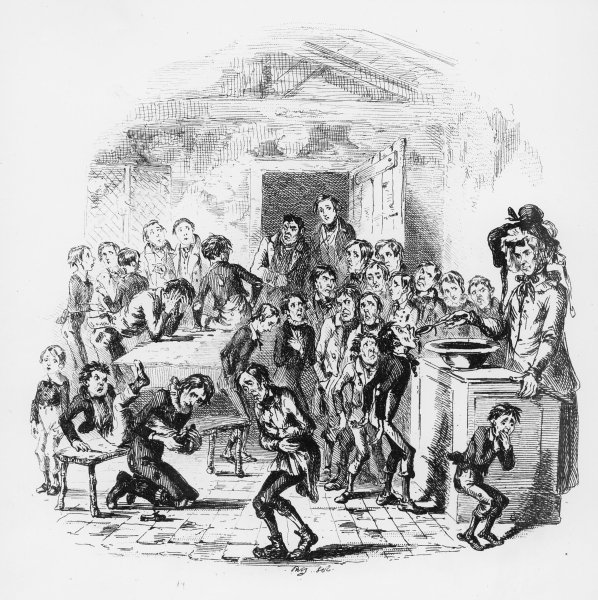
1. Sticking to this ‘outrage at cruelty and injustice’, the best example of this is through his punishment of the tyrannical Yorkshire schoolmaster Wackford Squeers. Taking up a situation as mentor/teacher without real knowledge of his situation, Nicholas witnesses the unjust treatment, starvation, illness, violent beatings and the shoddy education the headmaster preaches. In fact, Dotheboys Hall is not a real hall at all but a house with a sort of farm shed used for teaching the boys. Dickens portrays the horrors of many Yorkshire boarding schools for unwanted children (we are also brought to the attention the cruelty of “evil step parents” who sent their kids to boarding school to get them out of their lives)

Royal-Mail-Stamps-Charles-Dickens-Nickolas-Nickleby

The thrashing of Wackford Squeers, immortalised on a Royal Mail stamp

2. What makes Nicholas’s punishment of Wackford Squeers of Dotheboys Hall so satisfying is that he is not under obligation to Squeers. Nicholas is old enough to take matters into his own hands and make his mark in the world- if he chooses to. He can be impulsive and rash, but essentially he represents the voice and mind of the reader through his indignation of injustice and in this- he never fails.

3. Nicholas Nickleby is Dickens’s third novel after “Oliver Twist”. There are comparisons that can be made in his writing style and focus at the time of publication, to his later works.

4. Nicholas befriends a poor orphan named Smike- a truly tragic and heart breaking character who becomes his fast friend, escaping with him from the boarding school. Smike follows him on his journey throughout the novel.

xjf393881

The internal economy of Dotheboys Hall

5. Like many protagonists, Nicholas is under obligation to someone or another (may it be morally or financially). After his father’s death he becomes “the man of the family”, yet as a country boy in a large city and still ignorant of the ways of the world, must rely on the goodwill of others. Upon his arrival, he and his small family (consisting of mother and sister) are under obligation to his uncle. Well, we can guess how that turns out….

6. The villains in the novel are as bad as those iconic of Dickens. The cynical, miserable Uncle Ralph takes a disliking to his nephew and schemes to undermine and break him- even using his sister Kate as bait. Ralph Nickleby is a man consumed and destroyed by revenge, in which nothing can appease him.

7. The other notable character is Wackford Squeers himself. He is a deplorable and morally perverse character but the reader is often disappointed at how little he appears. The novel naturally follows Nicholas and save from various chapters where the narrative of Ralph takes over, Squeers fades into the background.

ourheritagemedia-fullsize-7c21f4887cef79d3baa7dfc5f51678a0

8. It has become a part of course really, the more I read of Dickens, for the summary to refer to each “book in question” to be the most SATIRICAL and contain Dickens’s MOST realised and comical characters. Each book claims this and well, there is truth in it. It just wouldn’t be a Dickens without them. As a writer, I only wish I could have even half the range of character development as he does…

9. Halfway through the book, Nicholas’s luck changes and so does the pace and structure of the narrative. You are still anxious for Nicholas as his enemies try to outwit and close in on him at every corner, but I found it harder to commit myself, and it took me longer to get through the book.

Nicholas Nickleby dickens-n-nickleby-4

9. I found myself getting bored with some of the events (his pursuit of Madeline Bray). In my opinion, there were characters and events taking place in “Our Mutual Friend” that kept the plot going far quicker. I can’t say I was disappointed exactly, because I was still satisfied with the ending, and how events turned out. However, some of the things in Nicholas Nickleby seemed a bit superfluous and failed to grab me like some of the other books.

10. I saw the BBC series of Nicholas Nickleby once upon a time, and it did influence my image of Nicholas, (softly spoken, tall, gentlemanly) so this was going round in my mind while I was reading the book. Dickens doesn’t actually describe his physical appearance or even his character in detail, so it is up to us; the reader to form our own opinions. But this does not desist from the point that it is almost impossible not to love such a, dare I say it; faultless character. He will remain in the vault, as one of Dickens’s most memorable protagonists to date.

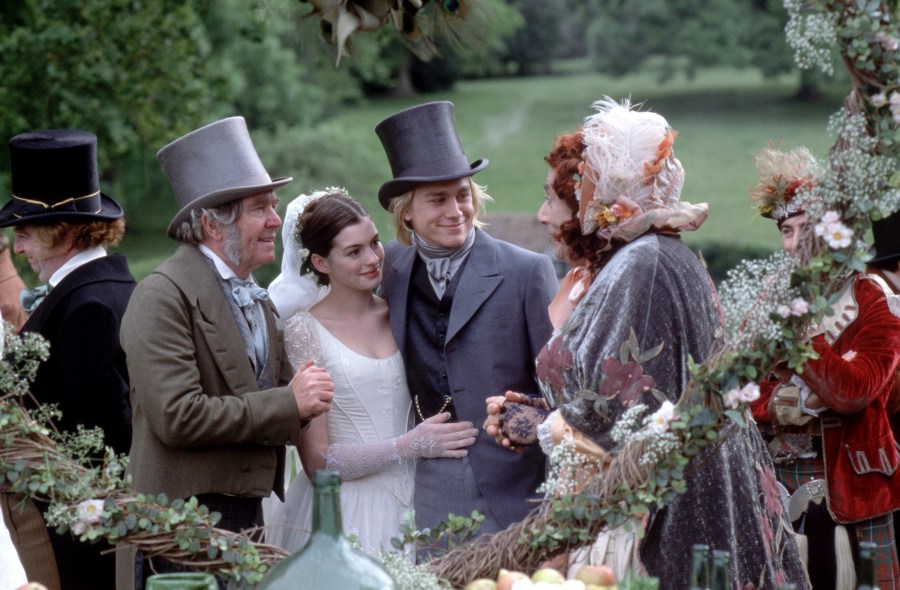
2006052515030601329325

Nicholas Nickleby 2002 film adaptation

“Barnaby Rudge”: A tale of violence

swirl-divider4Dicken’s review number 2, comes “Barnaby Rudge“. It is not as famous as his other novels, and quite understated. To give you an idea of what it’s about if you haven’t read it, firstly, here is a SUMMARY:

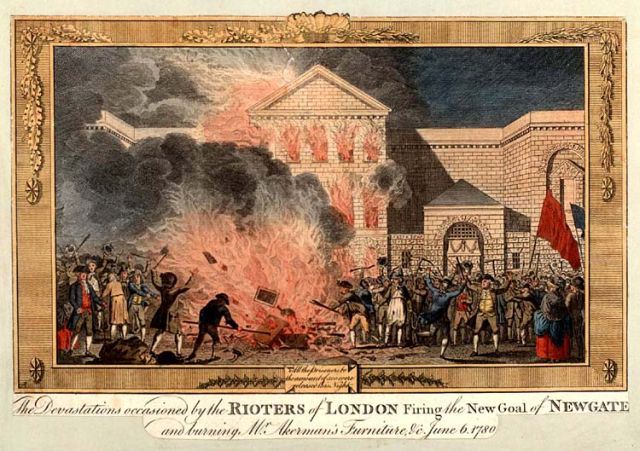
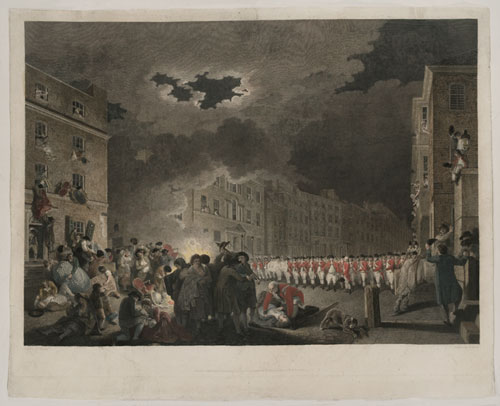
“Dicken’s first historical novel is filled with violence, looting and the terrible deaths of the anti-Catholic Gordon Riots that swept London in 1780. ‘Barnaby Rudge’ tells the story of Barnaby, a simple boy caught up in the riots, and the friends and family who are themselves affected by the strange events in Barnaby’s life, including kind- hearted locksmith Gabriel Varden, dim-witted and egotistic landlord John Willet and the brilliantly villainous Sir John Chester. This is an unforgettable novel of conspiracy, blackmail, abduction and Gothic melodrama.”

gordon-riots-newgate-prisonHere are some bite sized facts:

1. This is the 5th book Dickens wrote, after “The Old Curiosity Shop”. 

2. Like the rest of his works, it explores the inequality between social class. Ordinary citizens are seen to rise up and loot, steal, burn down houses and prisons; a total anarchy where they themselves perished- the poor, vagrants who have nothing to lose. (Those who are forerunners of the riots seem not to have a purpose for following the cause, in the case of Hugh and the hangman Dennis)

The_Gordon_Riots_by_John_Seymour_Lucas

“The Gordon Riots” by John Seymour Lucas

4. It is comparable to his later novel “A Tale of Two Cities” detailing the tumultuous period of the French Revolution and the danger of a disruptive society and mob behaviour.

5. You feel for Barnaby, a simple boy who takes comfort, joy and happiness in his surroundings. His loyalty and kind heartedness makes him a target. He follows his ‘assumed’ friend and does all he is bidden without question, hoping it will bring his mother and himself into the path of riches, and ultimately, a better life for them both. The story of Barnaby is very touching, and emphasises on how innocence can be corrupted by those with their own agenda.

10416

The rise and revolt of the people


6. Though”Barnaby Rudge” took me longer to read than “Our Mutual Friend” (and this can be due to other contributory factors)- I enjoyed it a lot.The beginning was quite captivating and portrays a ‘different’Dickens, a step away from the frivolity, and often comical vanity of the upper class. It creates a comparison between the peaceful, pastoral life versus that of the bloodshed in the streets of the city, sparked by the 1780 anti-catholic uprising. This was led by Lord George Gordon, leader of the Protestant Association of London. The riots were a wave that swept over London- the power of persuasion and word of mouth, growing out of proportion to make law abiding citizens rise up and revolt. The novel depicts violence fuelled by poverty and the influence of those in position who abuse their power.

7. Yet aside from all the violence and turmoil of the riots,this is a Dickens book like all the others,and his characters are no less developed. You come across characters like Sir John Chester who you really hate and whom you hope gets dealt the justice he deserves (but of course, this is a Dickens so ultimately, good always triumphs over evil) and relationships that always undergo a long, painful trial before the ‘light of happiness’ is finally revealed.

All in all, “Barnaby Rudge” is another satisfying Dicken’s novel, and the 5th one… that I have binge read over the summer!

barnaby-rudge-by-fred-barnard-1

“Our Mutual Friend” Dickens


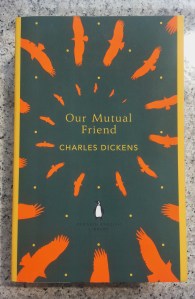
Finally, I have found time for a Dickens Review! I put these in small bite 20140804_144457sized chunks, for easy viewing…so here begins;
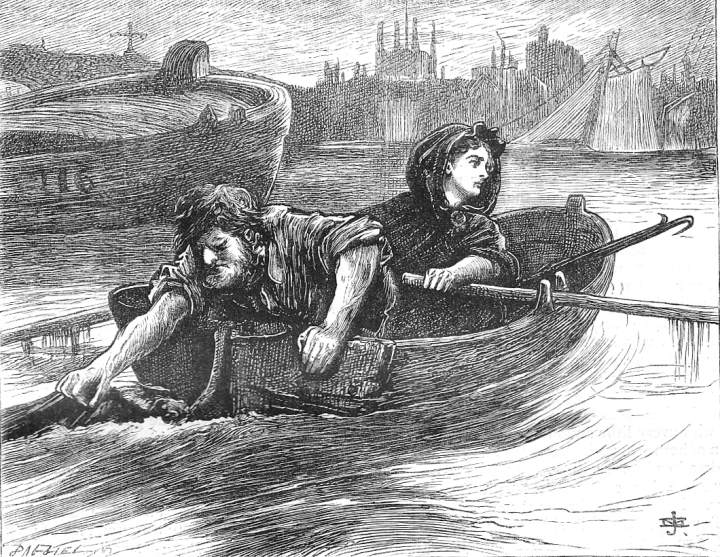
  • Summary as taken from the blurb of Our Mutual Friend: “Dicken’s last completed novel and one of the greatest books about London, ‘Our Mutual Friend‘ is a dark, enigmatic portrayal of a city corrupted by money.When a body is pulled out of the Thames, it is presumed to be John Harmon, drowned under suspicious circumstances before he could claim the fortune his father made from rubbish heaps. This mystery impinges on the lives of the naiive, hardworking Boffins, the riverside scavenger Gaffer Hexam, his beautiful daughter Lizzie, the mercenary Bella Wilfer and the doll’s dressmaker Jenny Wren, in a story of greed, death and renewal.”16

1. A dark story, it is considered one of Dicken’s most “sophisticated works”, though perhaps, one of his least well known.

2. The novel has a vast array of memorable characters which, through his wit and humour; you soon grow attached to.Though the language is less straight forward compared to his earlier novels, don’t be put off. The narrative is very well thought out and incredibly complex with intricate and unexpected plot lines. Compare the layers to an onion…

3. Death, intrigue, mystery, romance – it has everything. You are fooled along with a great number of characters along the twists and turns of a very complex narrative.Very satisfying as characters get their just rewards and no evil deed goes unnoticed, or unpunished. For me, the reading experience has to hold a variety of things, just like my favourite films. Action adventure mixed with fantasy and a bit of romance. It’s great how though Dickens manages to portray the worst of human nature in squalid London and the boundaries of social class- there is a particularly heart warming scene between John Rokesmith and Bella Wilfer that I always find myself going back to and just melts my heart (yup, I’ve bookmarked the pages)

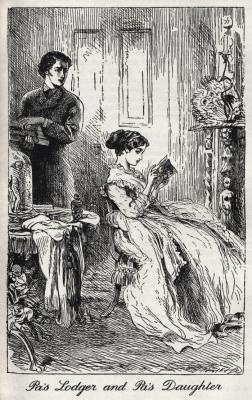
OMF-Lodger-and-Daughter4.Like each of his books, there are some great characters- no matter what shape or form they take, from the devilish and hideous dwarf Quilp in “The Old Curiosity Shop” who delights in playing tricks on others and getting the better of them, to the one legged and villainous Silas Wegg who circulates the pages of “Our Mutual Friend.”

5.However one thing about Dickens most people notice, is that his female characters are often under developed. They either hold supporting roles, as spinsters, the frugal or the vain and frivolous, or proud mothers. Young females are all dignified, elegant, pretty who undergo some tragedy or suffering which make them all the more beautiful and heroic; sought after and admired by men of all ages.

6. The illustrations are wonderfully detailed. They really bring the characters to life and gives that something bit extra to your reading experience.

177.The novel exemplifies on the corruption money can bring, the greed it excites, and how it effects the lives of those it touches.

8.After finishing the book, I thought up a hierarchy of wealth of all of the characters in the novel, taking into consideration their fluctuating social position. This may seem a bit time consuming and superfluous, but the story made me think long after I had closed its pages,(often as I was lying awake at night) and it was my way of sorting through the vast array of characters in the novel. I don’t want to give away spoilers by laying it out in all its glory. So I will let you read it first…

(Follow for more bite sized reviews on “Barnaby Rudge”, “Nicholas Nickleby” and other Charles Dickens novels.)Â